25. 5. 2026
Metamorfosi: When East Meets West
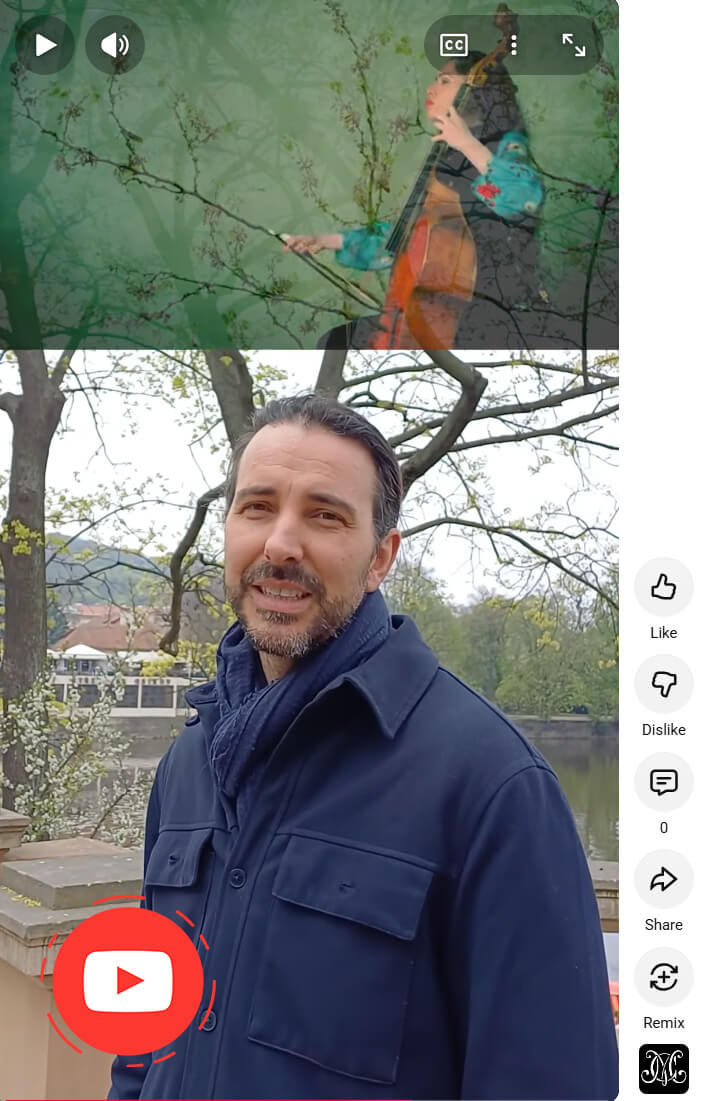
Vojtěch, the Metamorfosi project was created specifically for the Summer Festivities of Early Music festival. What was the journey from the initial idea to its realization?
The story began back in 2018—by coincidence, at this very festival, in fact—at Troja Château, where I first met the Iranian musician Kiya Tabassian. The artistic spark was immediate. I wanted to create something that would connect two seemingly distant worlds: the musical traditions of the Orient and Western culture. Metamorfosi is not merely a concert; it is the result of a search for shared roots and for a language we can all speak together.
The programme is based on Ovid’s Metamorphoses. Why did you choose classical mythology as the link between cultures?
Myths and legends have been pillars of human culture since time immemorial, accompanying us regardless of where we come from. For this programme we selected five inspiring mythological stories. The nymphs Echo and Daphne, the singer Orpheus, and the prophetess Sibyl shape our musical interpretation and help us build a bridge between the origins of both civilizations.
For this project you have managed to bring together a truly stellar international line-up. Could you introduce your colleagues?
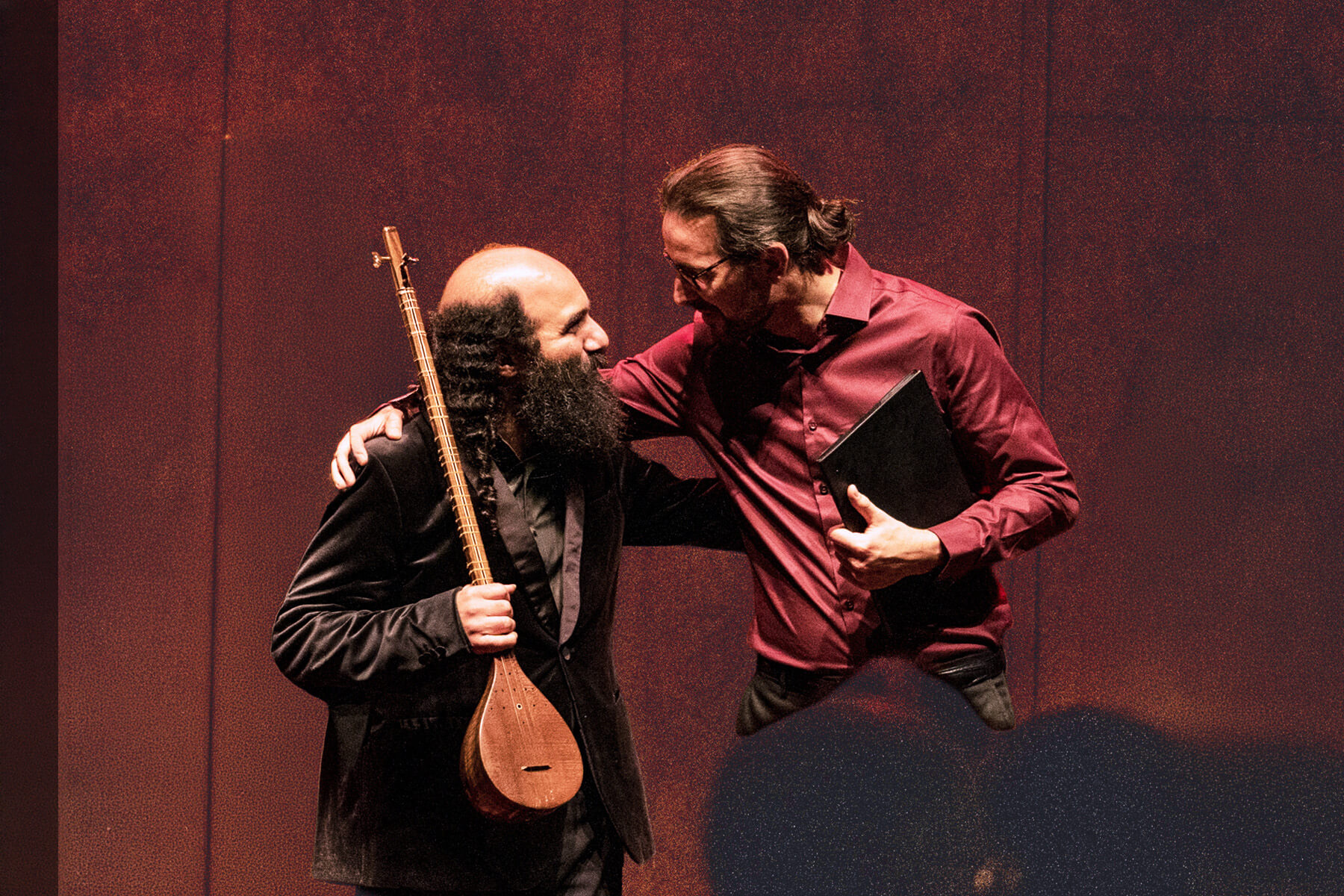
That is a great joy for me personally. Kiya Tabassian is a world-renowned setar player and a true pioneer in connecting cultures. From the Oriental world, we will also be joined by the Syrian musician Waed Bou Hassoun, who plays the oud and is, among other things, a soloist in the music projects of the celebrated Jordi Savall. A personal highlight for me is the participation of gambist Lucile Boulanger, a recent recipient of the prestigious Victoires de la musique classique award. The ensemble is completed by the outstanding cornetto player Lambert Colson. In this line-up, these artists will meet for the first time—within this very project.
What, specifically, can listeners look forward to?
It will be a combination of different forms—from Gregorian chant and Renaissance polyphony to Baroque melodies. These will sound alongside traditional Persian music (Farsi) and Arabic folk music (tarab). In essence, it is a crossover project, with improvisation and a strong spirit of openness at its heart. We want to show that Baroque ornamentation and Oriental musical forms have far more in common than one might assume at first glance. Our musical odyssey spans a repertoire from the 10th to the 20th century, building a bridge between East and West with a clear desire for dialogue and for discovering a shared musical heritage.
Troja Château has a distinctive atmosphere for this evening. Why is this venue ideal for Metamorfosi?
Troja Château has a unique and extraordinary atmosphere that underscores the theme of ancient myths. Moreover, it is the place where everything began in 2018. I warmly invite all listeners to join us on 27 July for this one-of-a-kind musical journey.
Metamorfosi
Dialogues of Voices in the Music of the Orient and the Occident
Monday 27. 7. 2026 | 20.00
Troja Château
U Trojského zámku 1, Prague 7